
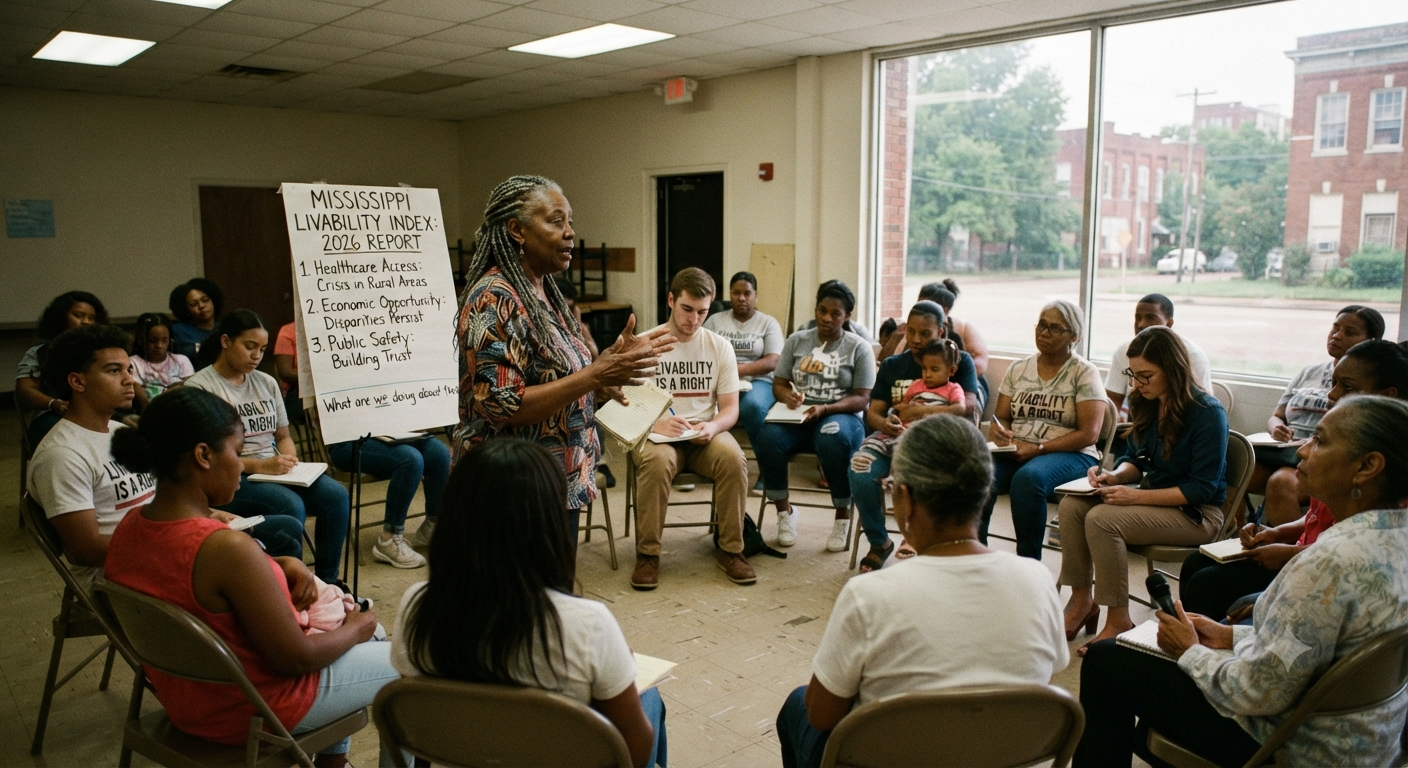
The landscape of American life is multifaceted, with quality-of-life metrics often revealing a complex divide between economic growth and the daily realities faced by residents. As researchers and organizations release their 2026 findings, it becomes clear that “livability” is a subjective and multi-dimensional concept. A state that excels in business climate or fiscal stability may simultaneously struggle with infrastructure, healthcare access, or social protections, highlighting that rankings depend heavily on the specific criteria being measured.
Understanding the Metrics of Livability
Defining the “worst” states to live in for 2026 requires looking at a variety of indicators. Organizations like CNBC, through their “America’s Top States for Business” study, and various data aggregators analyze a wide range of factors to determine how a state supports its population. Common metrics utilized in these comprehensive assessments include:
- Healthcare Access and Outcomes: This encompasses the availability of primary care providers, the prevalence of chronic health conditions, and the affordability of medical services.
- Economic Stability and Opportunity: Metrics often include per-capita income, unemployment rates, and the cost of living relative to median household earnings.
- Public Safety: Evaluated through FBI crime statistics, these rankings frequently weigh violent crime and homicide rates as significant indicators of community well-being.
- Social and Legal Protections: Many modern analyses now incorporate state laws regarding reproductive rights, LGBTQ+ inclusivity, and workplace protections into their quality-of-life scores.
- Infrastructure and Services: The availability of essential services, such as childcare, transportation, and reliable utilities, remains a cornerstone of the livability debate.
Profiles of Challenge: States Facing Systemic Hurdles
In 2026, several states have appeared frequently in reports regarding the most significant livability challenges. While each state has unique strengths, they are often unified by specific systemic barriers that hinder the day-to-day experience of their residents.
The Intersection of Crime and Opportunity
States such as Louisiana and Arkansas are frequently cited in 2026 rankings. Louisiana, which has faced long-standing challenges, continues to struggle with high rates of violent crime and incarceration, as well as educational and economic performance metrics. Similarly, Arkansas reports significant food insecurity and violent crime rates, which place pressure on its residents despite the state having a lower cost of living.
Healthcare and Accessibility Gaps
In states like Mississippi and Alabama, healthcare remains a critical point of concern. Mississippi, for instance, has faced consistent challenges regarding healthcare access, high obesity rates, and educational attainment. Alabama, meanwhile, has been identified as having limited mental health resources and lagging worker protections, including the lack of mandatory paid sick leave in certain contexts.
Geographic and Structural Dynamics
Alaska presents a unique case in 2026 reporting. While its economy is often bolstered by resource revenues, it faces severe quality-of-life pressures related to its geography, which complicates the delivery of essential services, transportation, and consistent infrastructure access. These structural dynamics illustrate that livability is not solely a function of wealth but also of logistical and service-oriented accessibility.
Policy and Social Environment
States such as Tennessee and Texas have also appeared in 2026 quality-of-life rankings. In these instances, the conversation often centers on state-level policies. Tennessee has faced scrutiny regarding laws impacting the LGBTQ+ community, while Texas has struggled with issues such as healthcare access and a high percentage of residents who report forgoing necessary doctor visits due to cost.
The Divergence of Business and Daily Life
One of the most notable insights from 2026 data is the disconnect between “business-friendly” environments and residential quality of life. For example, Utah and Indiana are often highlighted as states that perform strongly in economic and business-climate metrics—such as cost of doing business or infrastructure support for industry—but score much lower in categories directly tied to the daily well-being of the average citizen, such as air quality, child care availability, or minimum wage levels.
This divergence underscores a broader trend in the 2026 discourse: the need for states to address the “ceiling” that quality-of-life issues may place on long-term development. As public discourse shifts to emphasize worker protections, health equity, and inclusivity, states that focus exclusively on fiscal or industrial incentives may find themselves falling behind in national livability rankings.
Conclusion: A Multi-Faceted Future
As the United States progresses through 2026, the metrics used to judge state performance continue to evolve. While economic output remains a primary driver of state policy, the growing focus on health outcomes, safety, and individual rights provides a more holistic view of what it means to call a place “home”. Whether a state struggles with geographic isolation, economic volatility, or policy-driven social challenges, these rankings serve as a diagnostic tool for identifying the areas where progress is most urgently needed to improve the lives of millions of Americans.




Leave a Reply